Introduction: A Vision for a Better Tomorrow
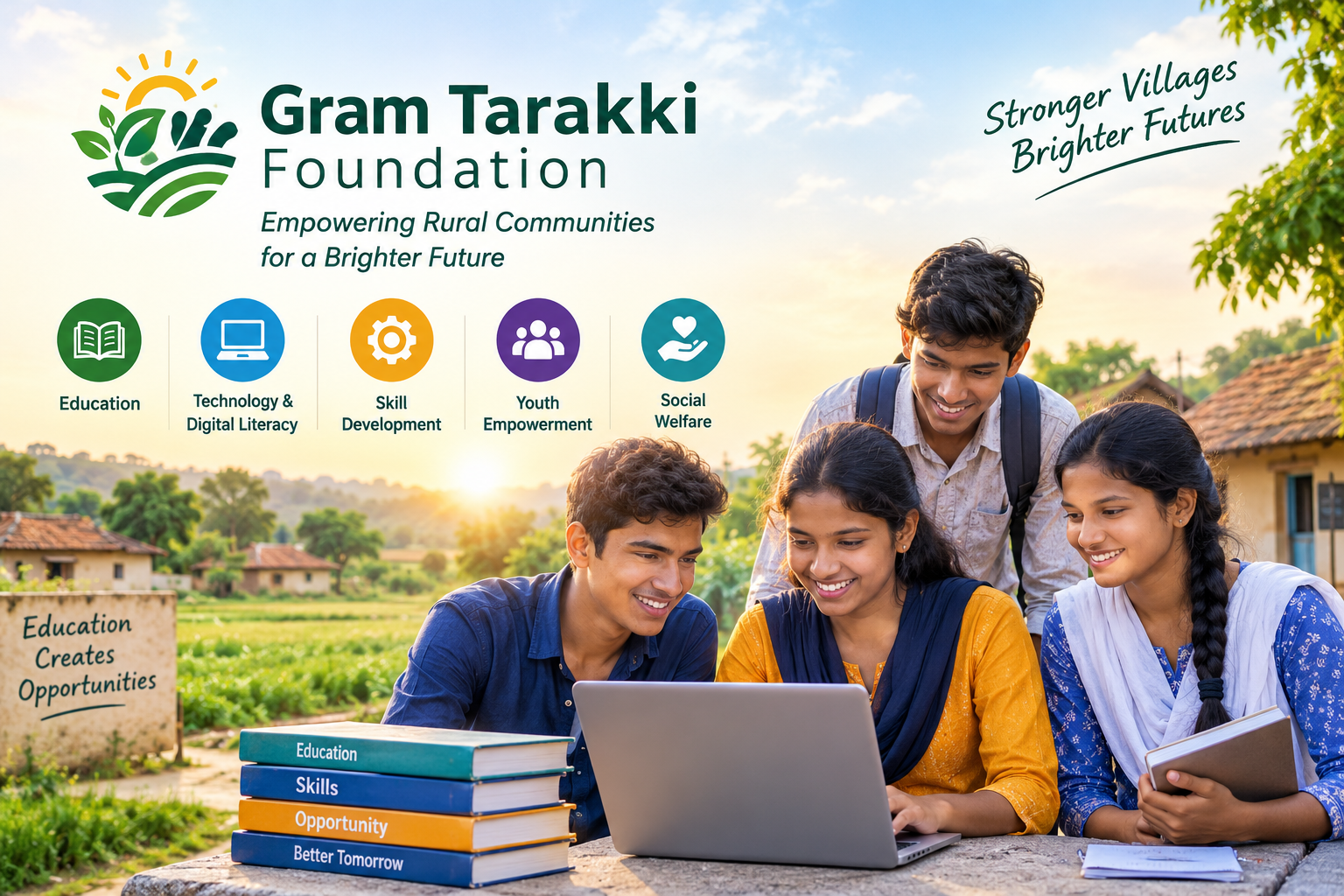
India's progress depends on creating opportunities for people across both rural and urban communities. Students and young people from different backgrounds possess talent, determination, and the desire to build a better future. However, access to quality education, digital resources, professional guidance, and employment opportunities can influence how far they are able to go.
Gram Tarakki Foundation is a non-profit organization based in West Bengal, India, focused on supporting students and empowering communities through education, technology, skill development, and employment opportunities. Its vision is rooted in the belief that people, regardless of whether they come from rural or urban backgrounds, should have access to the knowledge, resources, and opportunities they need to develop their abilities and improve their futures.
The name Gram Tarakki reflects the idea of village progress and community development. Its broader vision also recognizes that educational growth, technological awareness, and skill development are important for students and young people everywhere. Progress becomes more meaningful when opportunities are accessible to people across different backgrounds and communities.
In this introductory article, we explore the importance of rural development, the role of education and technology, the potential of India's youth, and the broader purpose behind the vision of Gram Tarakki Foundation.
Understanding the Importance of Inclusive Development
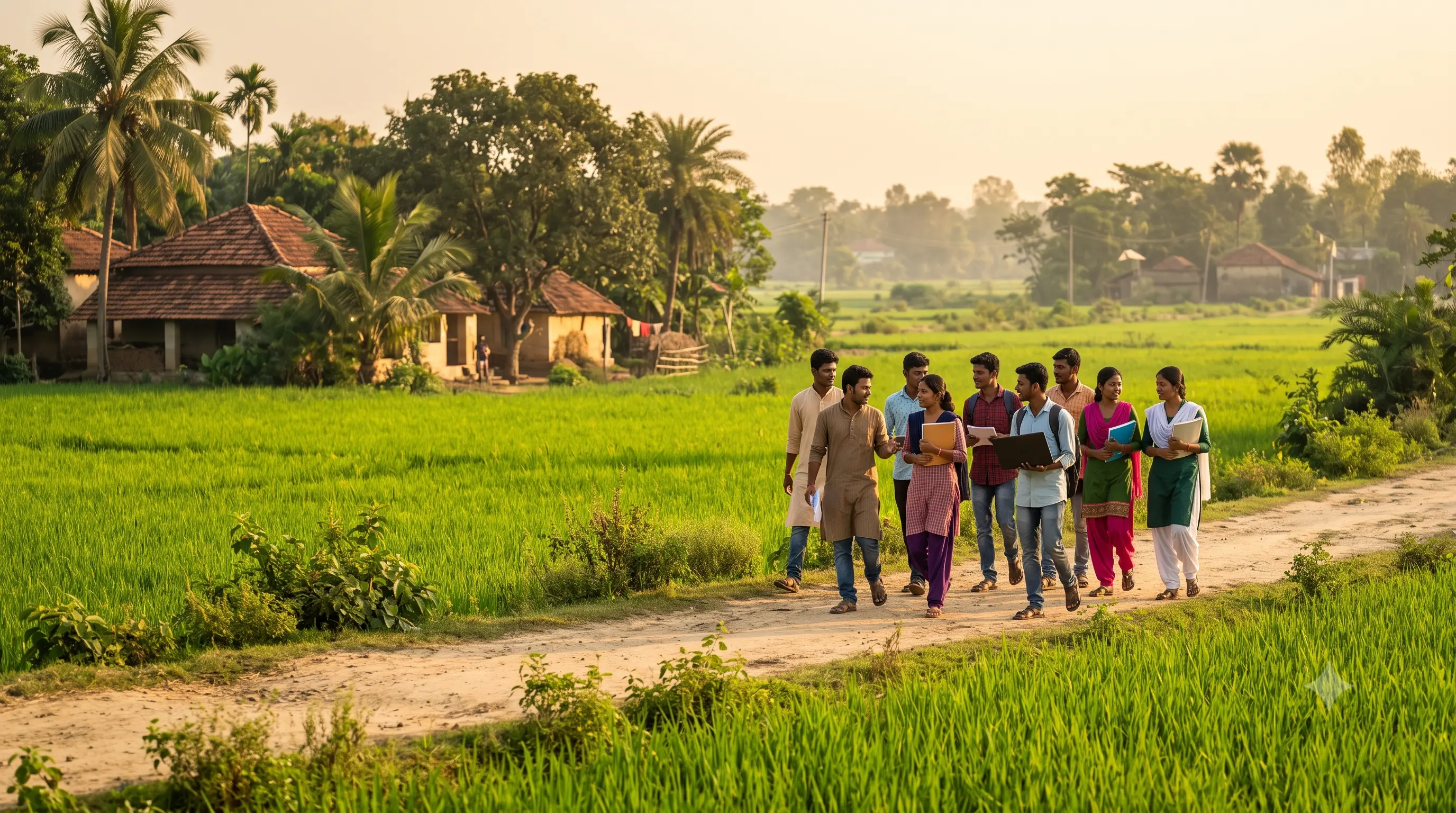
India's development depends on creating meaningful opportunities for people across both rural and urban communities. While villages play an important role in the country's social and economic progress, cities are also home to millions of students and young people who are working toward their educational, professional, and personal goals.
Despite differences in their surroundings and circumstances, students across India can face challenges in accessing quality learning resources, career guidance, practical skill development, and relevant employment information. A student in a rural area may experience limited access to certain digital resources, while a student in an urban area may struggle to identify the right career path, develop industry-relevant skills, or find suitable professional opportunities.
These challenges demonstrate that access to opportunities is not determined by geographical location alone. Every learner has individual strengths, ambitions, and circumstances, and meaningful development requires an approach that recognizes these differences.
Inclusive development means creating an environment in which people from different backgrounds can learn, develop their abilities, and explore opportunities according to their interests and potential. Education, digital literacy, skill development, career guidance, and community participation can all contribute to this process.
Technology can help connect students with educational resources and information beyond their immediate surroundings. Practical learning can help them apply their knowledge, while career guidance can help them better understand the pathways available to them. Such opportunities can be valuable for learners living in villages, towns, and major cities alike.
At the community level, development also involves encouraging cooperation, improving access to useful information, and supporting initiatives that respond to people's actual needs. Rural development remains an important part of this broader vision, alongside educational advancement, youth empowerment, and social well-being in urban communities.
Gram Tarakki Foundation recognizes the importance of education, technology, skill development, and employment opportunities in helping individuals move toward their goals. Its broader purpose is to support a future in which students and young people from both rural and urban backgrounds can explore opportunities, strengthen their capabilities, and contribute positively to society.
Ultimately, progress should not be limited by where a person lives. It should be guided by the opportunities people can access, the skills they can develop, and their ability to participate in building a better future for themselves and their communities.
Education: The Foundation of Opportunity
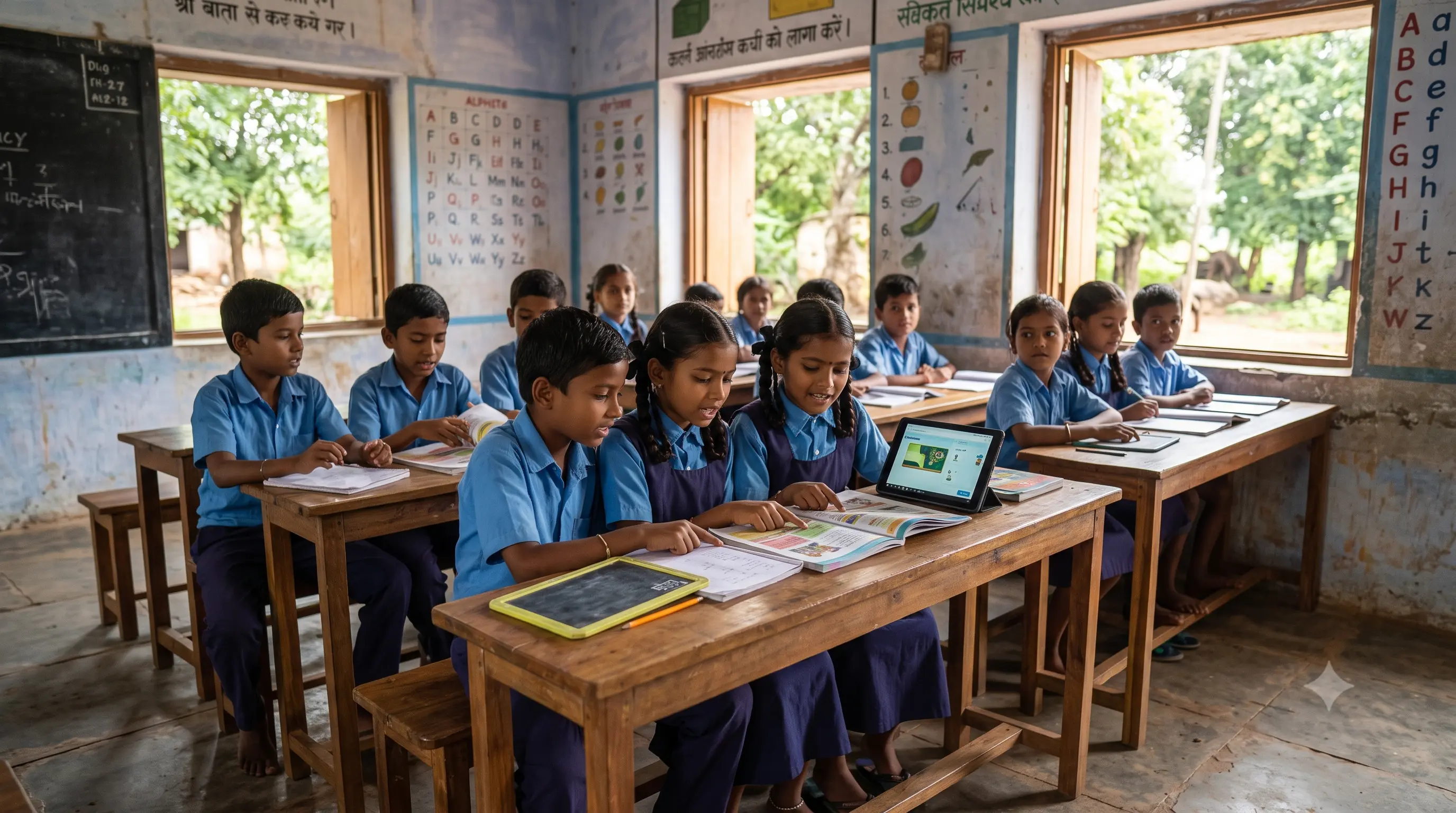
Education is one of the most important tools for building a better future. It enables individuals to understand the world, make informed decisions, solve problems, and participate more effectively in society.
However, access to education alone is not always enough. Students also need appropriate learning resources, guidance, practical knowledge, and opportunities to apply what they learn.
For students from both rural and urban backgrounds, access to career information and modern learning tools can be particularly valuable. Awareness of different academic pathways, professional fields, and emerging technologies can help students make better-informed decisions about their futures.
Making Learning More Accessible
An inclusive approach to education recognizes that every learner has different needs, circumstances, and aspirations. Educational support should encourage curiosity, critical thinking, practical understanding, and lifelong learning.
Technology can help extend access to learning materials and educational information. Digital resources, online courses, and educational platforms can allow learners to explore subjects beyond the traditional classroom environment.
At the same time, technology should complement meaningful learning rather than replace the guidance and support that students need.
Through its educational and digital-literacy focus, Gram Tarakki Foundation aims to contribute to a future in which students from diverse backgrounds can explore knowledge, develop their abilities, and prepare for new opportunities.
Youth Empowerment: Turning Potential into Progress
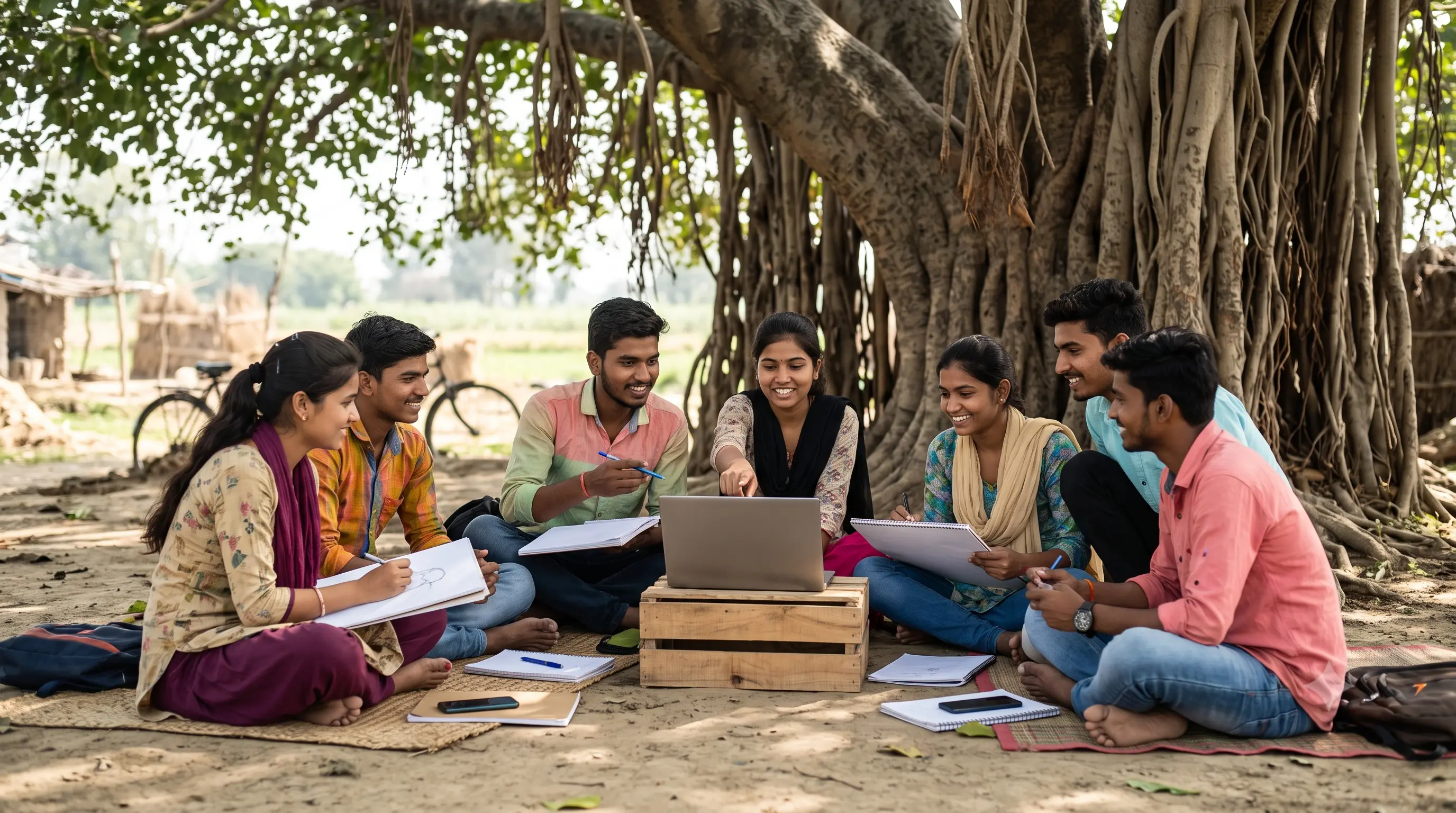
Young people are an important resource for India's future. They bring creativity, energy, fresh perspectives, and the potential to develop new solutions to existing problems.
Yet, talent alone does not guarantee success. Young people also need access to relevant skills, reliable information, career guidance, practical experience, and opportunities to demonstrate their abilities.
Youth empowerment means helping individuals develop the confidence, knowledge, and capabilities needed to make informed choices and take greater responsibility for their futures.
Building Skills for a Changing World
The world of work continues to evolve as technology changes the way businesses operate and people communicate. Digital literacy, communication, problem-solving, teamwork, and technical knowledge are increasingly useful across many professional fields.
For young people from both rural and urban backgrounds, developing these skills can broaden their understanding of career possibilities and help them prepare for different educational and employment pathways.
Skill development is not limited to learning how to use a computer or a particular software application. It also involves learning how to identify problems, work collaboratively, communicate ideas, adapt to change, and apply knowledge in practical situations.
Career guidance and access to relevant information can further help young people understand the steps required to pursue their goals.
Gram Tarakki Foundation identifies skill development, career guidance, internships, and employment opportunities among its areas of focus. These priorities reflect the importance of helping young people connect learning with practical possibilities.
The broader goal of youth empowerment is to encourage individuals to become active participants in their own development and, wherever possible, contribute their knowledge and skills to the communities around them.
Technology and Digital Literacy: Connecting Students and Communities to Opportunities
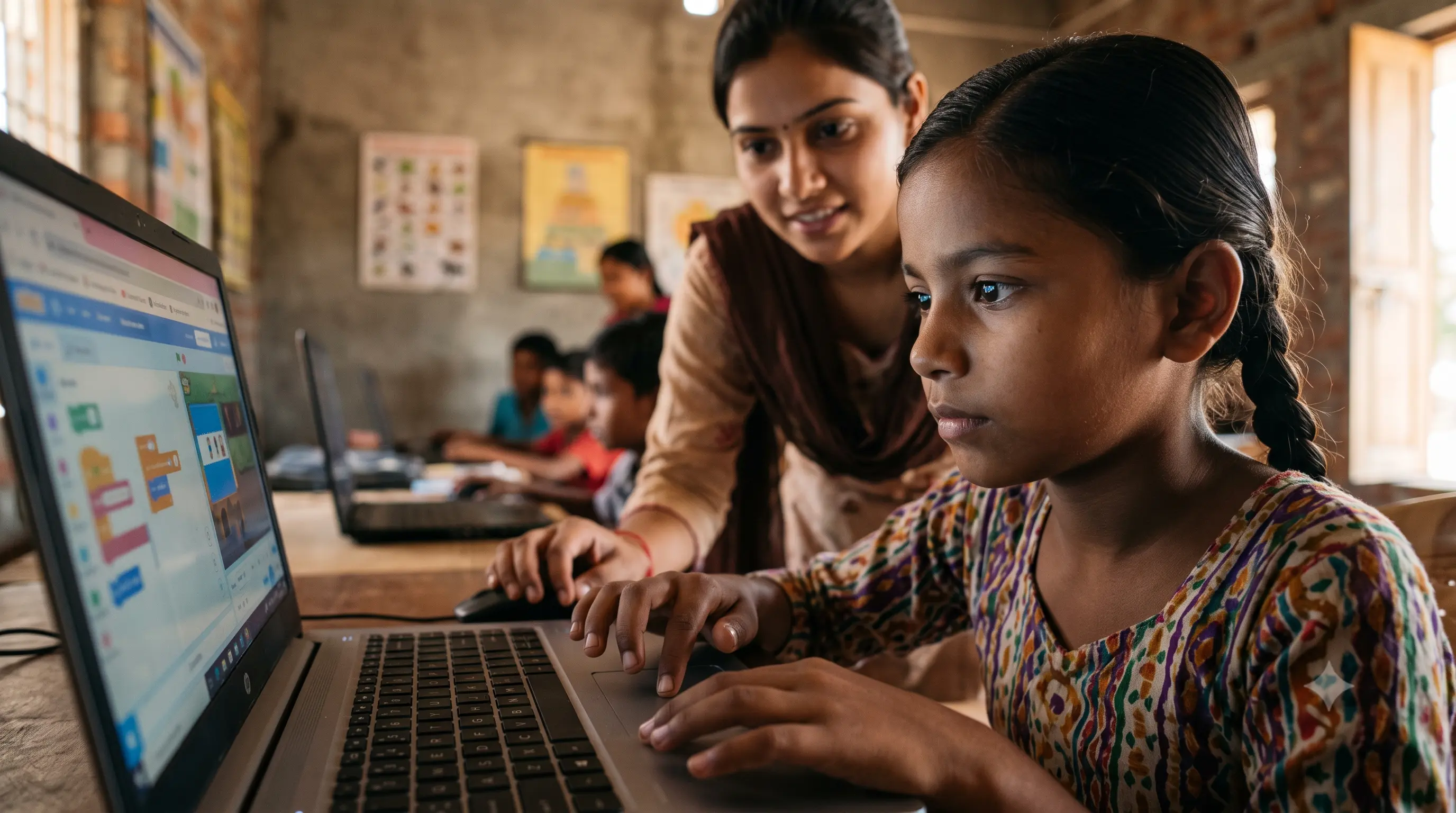
Technology has transformed access to information, education, communication, and professional resources. Digital platforms allow people to learn new skills, explore career opportunities, collaborate with others, and access information from different parts of the world.
However, the benefits of technology depend on people's ability to access and use it effectively.
Digital literacy includes more than knowing how to operate a smartphone or computer. It also involves searching for reliable information, communicating online, understanding basic cybersecurity, using digital services responsibly, and recognizing potential online risks.
For students and young professionals, digital skills can support learning, project development, remote collaboration, and career preparation.
For communities, digital awareness can make information more accessible and help people better understand the resources available to them.
Making Technology Meaningful
Technology creates the greatest value when it addresses real needs. Introducing digital tools without considering people's circumstances may not produce meaningful results. Effective digital inclusion requires accessible learning, practical guidance, and an understanding of how technology can be applied to everyday challenges.
Artificial intelligence, programming, online learning platforms, and other digital technologies are creating new possibilities. Students from all backgrounds should have opportunities to understand these developments and explore how they may be relevant to their education and careers.
Gram Tarakki Foundation emphasizes technology education and digital literacy as part of its broader focus on educational access and empowerment. The underlying idea is simple: geographical location should not prevent people from exploring knowledge and developing useful skills.
Social Welfare and Community Development
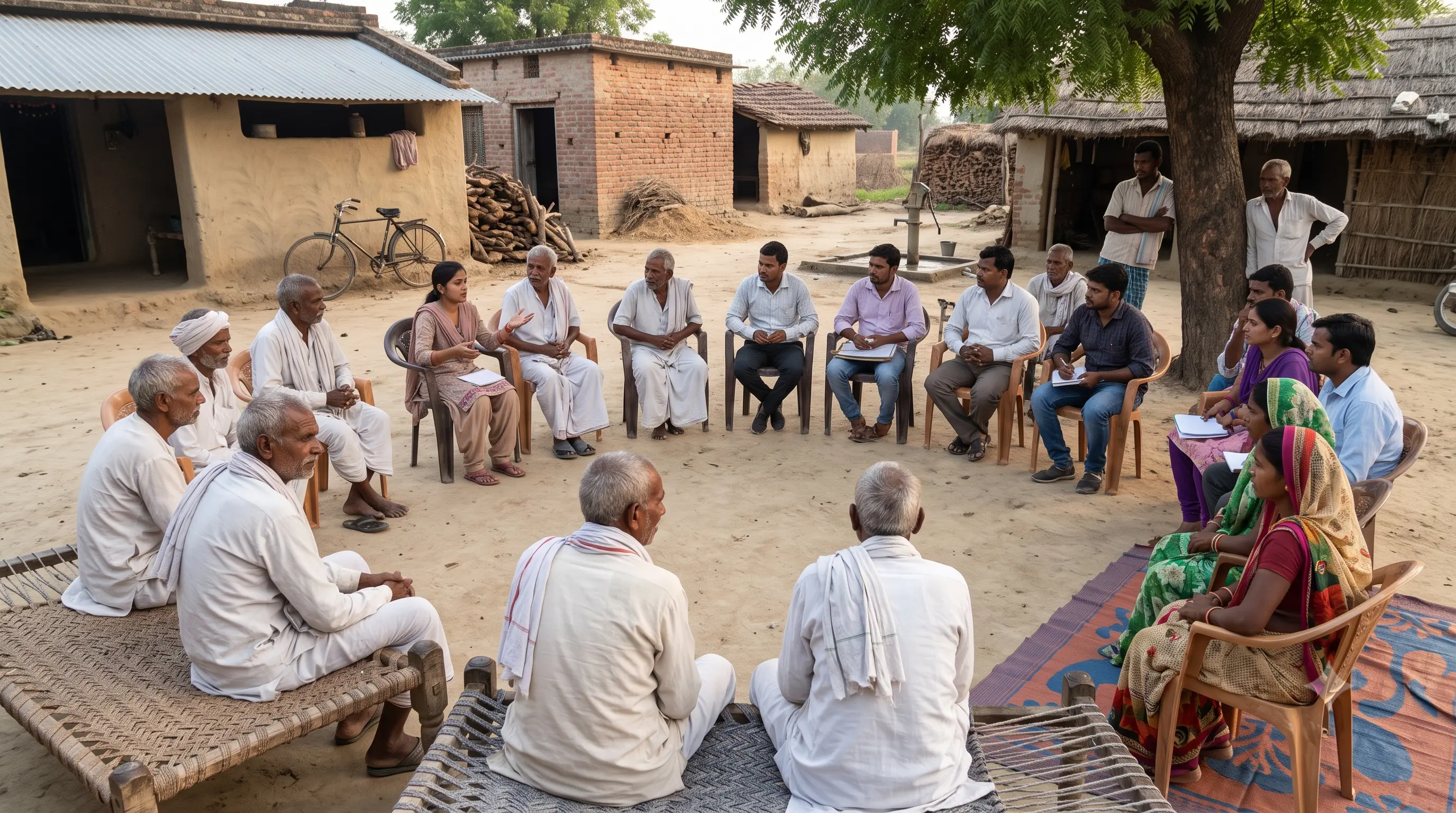
Sustainable development requires attention to both individual opportunities and the well-being of the wider community.
Social welfare is closely connected with education, access to information, skill development, inclusion, and community participation. When individuals have better opportunities to learn and develop their abilities, they may also become better equipped to contribute to their families and communities.
Community development involves understanding local needs, encouraging participation, and identifying practical ways to support long-term progress.
A strong community is not built through isolated efforts alone. It develops through cooperation, shared responsibility, mutual respect, and the willingness to address common challenges.
Encouraging Inclusive Progress
Development should create opportunities for people from different backgrounds and circumstances. Students, young job seekers, families, and other community members in rural and urban areas may have different priorities, and their needs should be understood with care.
An inclusive approach also recognizes the importance of dignity, fairness, accessibility, and respect. People should be treated as active participants in development rather than simply as recipients of assistance.
For organizations working toward social progress, transparency and accountability are equally important. Clear communication about goals, activities, available opportunities, and actual results helps communities and supporters understand the organization's work.
Gram Tarakki Foundation's wider focus on community development provides a basis for considering how education, technology, and skills can contribute to social well-being.
Specific initiatives and outcomes should be communicated through verified updates as projects and activities are undertaken.
Connecting Education, Skills, and Employment
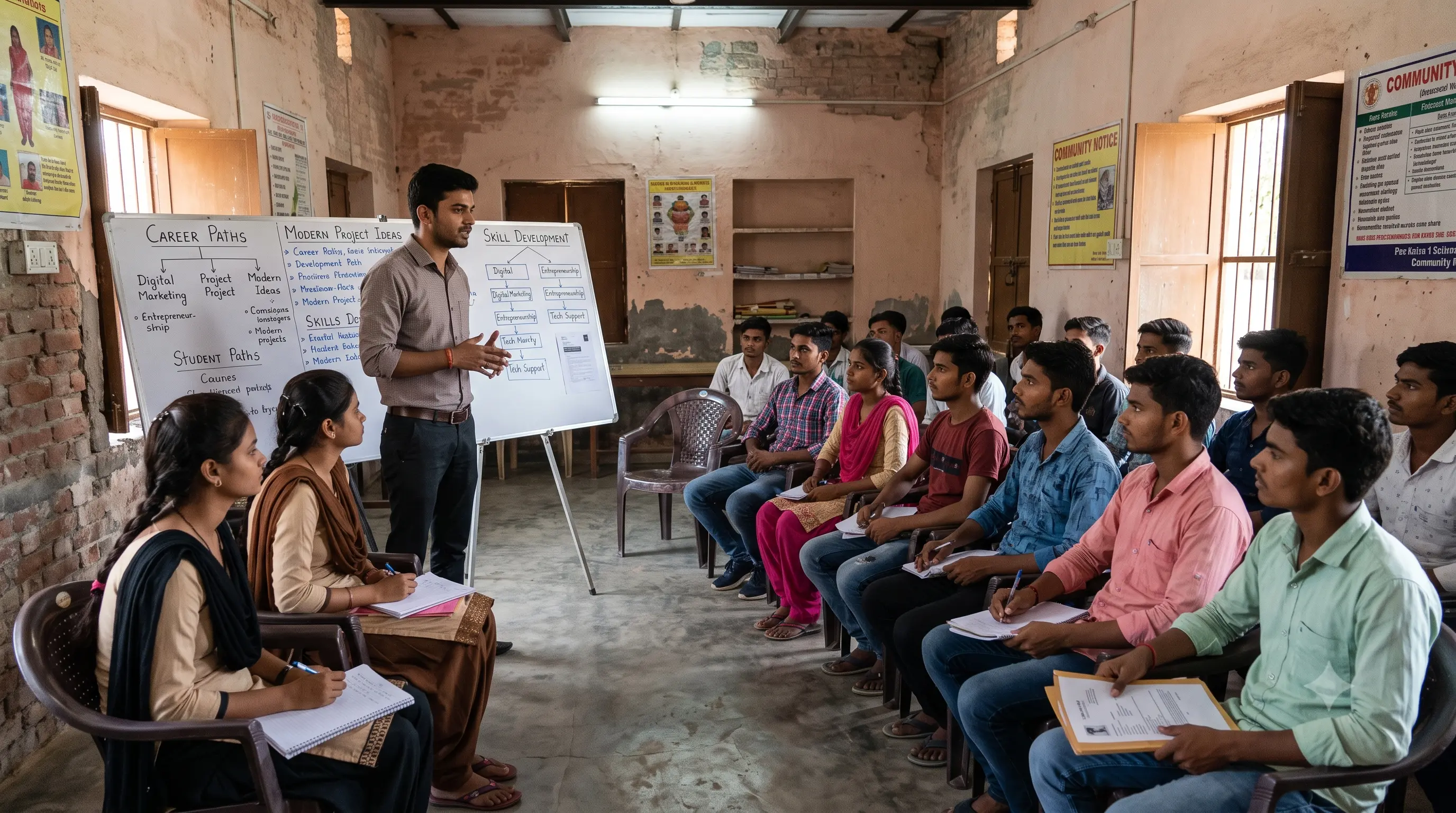
Education, skill development, and employment are closely related, but the connection between them is not always straightforward.
A student may complete formal education without knowing which career path to pursue. Another person may possess practical abilities but lack the information or guidance needed to identify relevant opportunities. Some young people may benefit from gaining experience through projects, internships, or other forms of practical learning.
Bridging these gaps requires more than encouraging people to study. It involves helping them understand how knowledge can be applied, which skills may be relevant to their goals, and where they can find reliable information about opportunities.
Career guidance can help individuals explore their interests and identify possible pathways. Practical projects can help learners apply concepts and develop problem-solving abilities. Skill development can support their preparation for further education, professional work, or entrepreneurship.
Internships and employment information may also help young people understand workplace expectations and the relationship between learning and professional practice.
Gram Tarakki Foundation identifies career guidance, internships, and employment opportunities among its focus areas. These areas are relevant to the broader challenge of helping young people from rural and urban backgrounds connect their potential with practical opportunities.
No educational or skill-development initiative can guarantee employment for every participant. Nevertheless, accessible information, relevant skills, and informed guidance can help individuals prepare more effectively for their next steps.
A Community-Centred Approach to Progress
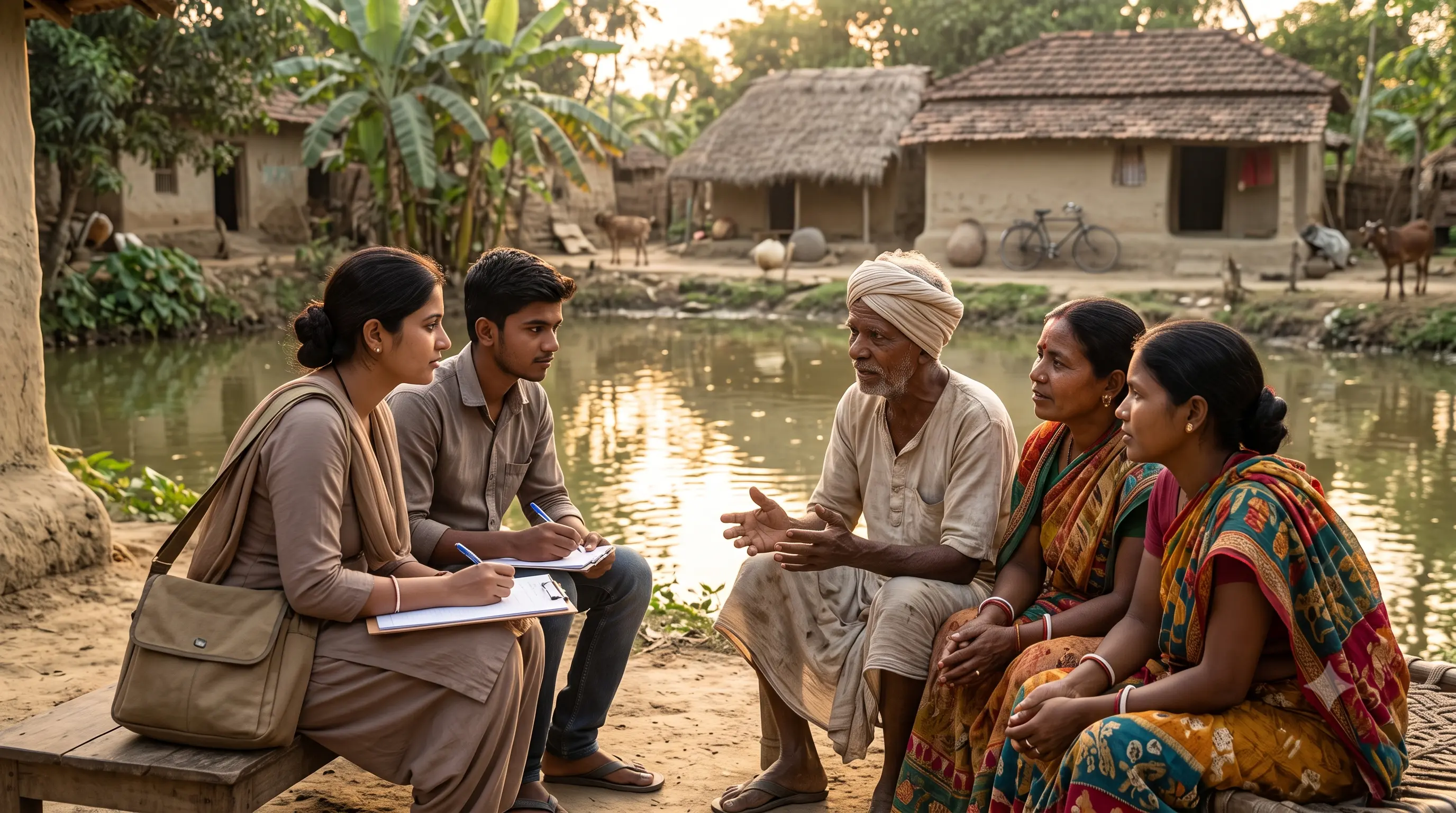
Lasting development requires an understanding of the people and communities it aims to support.
Every community has its own circumstances, resources, strengths, and challenges. Solutions that work in one place may need to be adapted before they become useful elsewhere.
A community-centred approach begins by listening, understanding local priorities, and recognizing the knowledge and experience of local people. It encourages collaboration rather than assuming that every community needs the same solution.
This approach also values sustainability. Progress should not be measured only by immediate outcomes; it should also consider whether individuals and communities can continue learning, adapting, and building on the opportunities available to them.
For example, digital literacy becomes more meaningful when people can apply it to learning and everyday tasks. Skill development becomes more valuable when it relates to a learner's interests and practical goals. Community initiatives become stronger when people understand their purpose and can participate meaningfully.
The broader vision associated with Gram Tarakki Foundation is connected to these principles: creating opportunities through education, technology, skill development, and community-oriented efforts.
As its work develops, communicating its priorities and verified progress will be an important part of building understanding and trust.
How Can Individuals Contribute to Community Development?
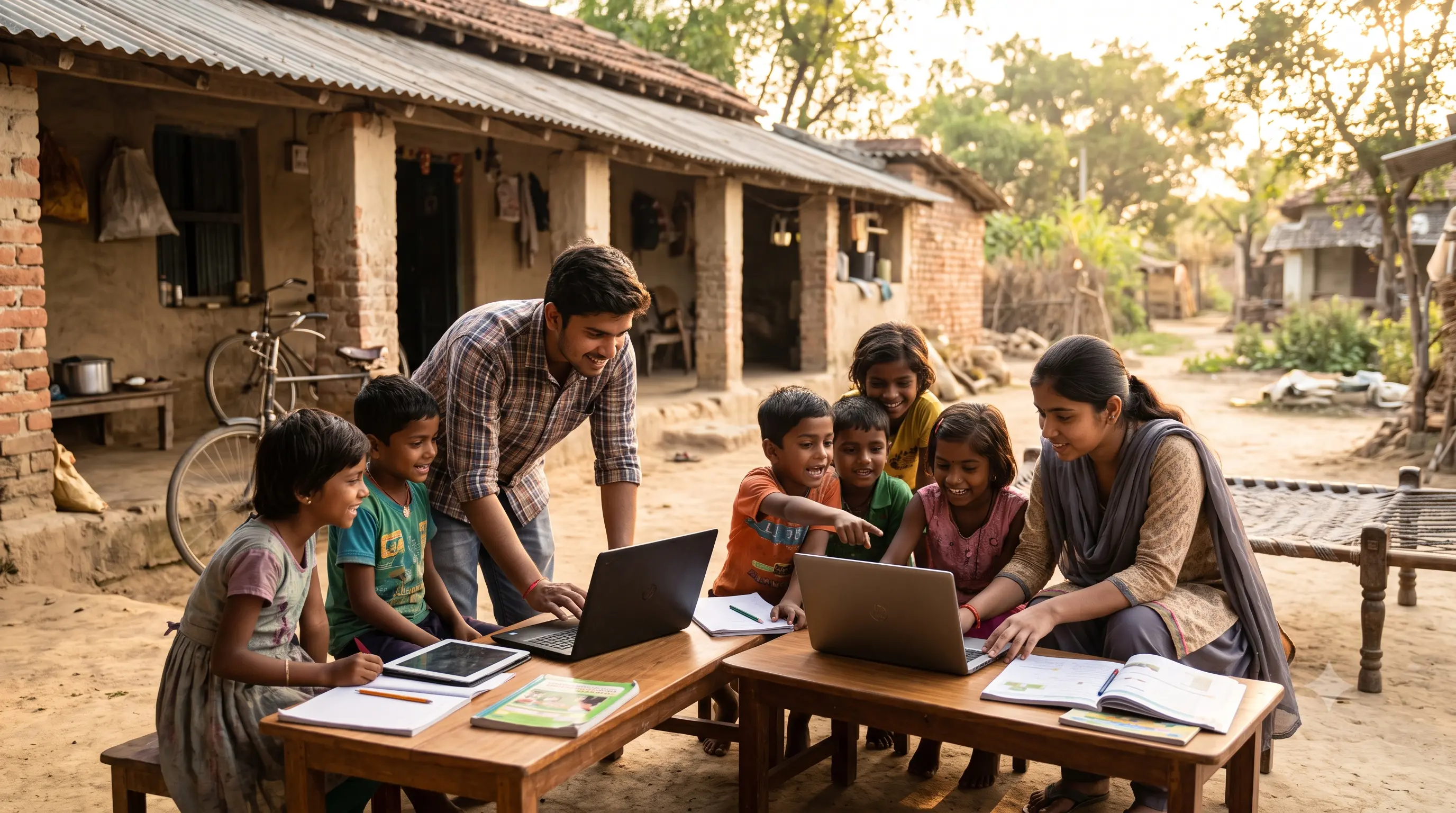
Community development is a shared responsibility. Non-profit organizations can help bring people and resources together, but individuals, educational institutions, volunteers, professionals, and community members can also play meaningful roles.
There are several ways people can contribute.
- Share knowledge and learning resources. Students and professionals can help others discover useful educational materials, digital tools, and reliable information.
- Support digital literacy. People with technical knowledge can help beginners understand computers, online learning platforms, internet safety, and basic digital skills.
- Encourage skill development. Sharing information about relevant courses, career pathways, internships, and professional learning resources can help young people make informed decisions.
- Volunteer time and expertise. Individuals may contribute through mentoring, teaching, technical assistance, communication, or other activities that match their abilities and an organization's actual needs.
- Promote responsible awareness. Sharing verified information about community-development initiatives can help people understand relevant issues and discover legitimate ways to participate.
- Build meaningful partnerships. Educational institutions, community groups, professionals, and organizations may explore appropriate collaborations based on shared goals and available resources.
Anyone interested in supporting Gram Tarakki Foundation should consult its official communication channels for current activities, volunteer requirements, partnership opportunities, and other verified information.
Participation should always be based on genuine opportunities and clear communication about expectations.
Looking Ahead: A Shared Vision for India
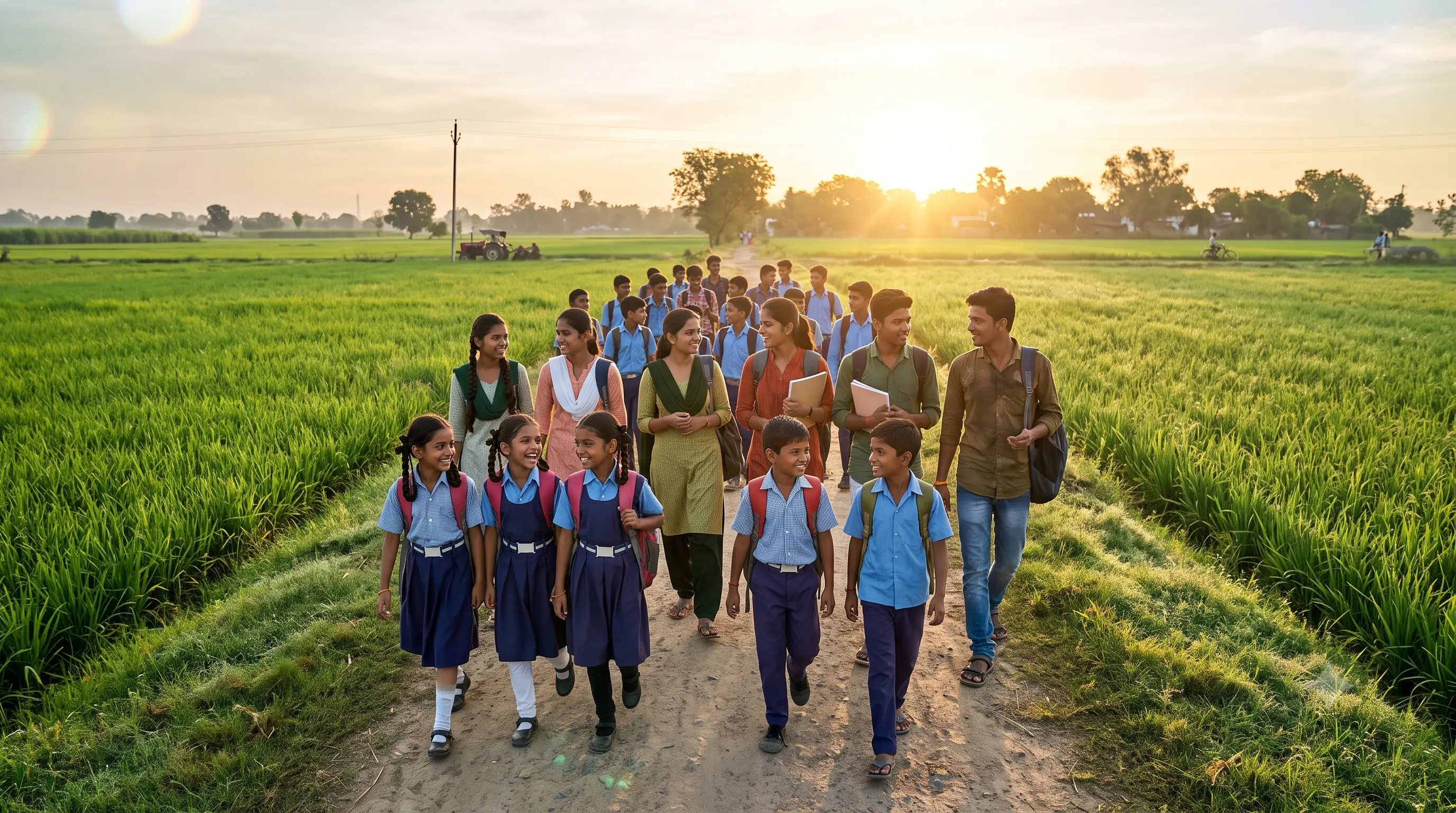
The future of India depends on many interconnected factors, including education, economic opportunities, digital inclusion, access to reliable information, and community participation.
Progress in these areas requires sustained effort. It also requires an understanding that every individual has different aspirations and that development cannot be achieved through a single solution.
The long-term vision of empowering people and communities is about helping individuals gain the knowledge and capabilities needed to make informed choices, pursue meaningful goals, and participate in social and economic life.
For students and young people, this may mean discovering a new field of study, learning a technical skill, exploring a career pathway, or developing an idea into a practical project.
For communities, it may mean improving access to useful information, strengthening collaboration, and creating an environment where learning and opportunity are valued.
For society as a whole, it means recognizing that rural progress and urban development are both important parts of India's broader development.
Gram Tarakki Foundation's focus on education, technology, skill development, career guidance, and community development aligns with this wider aspiration. Its future contributions should be understood through its actual initiatives, transparent communication, and verifiable outcomes.
Conclusion: Progress Begins with Opportunity
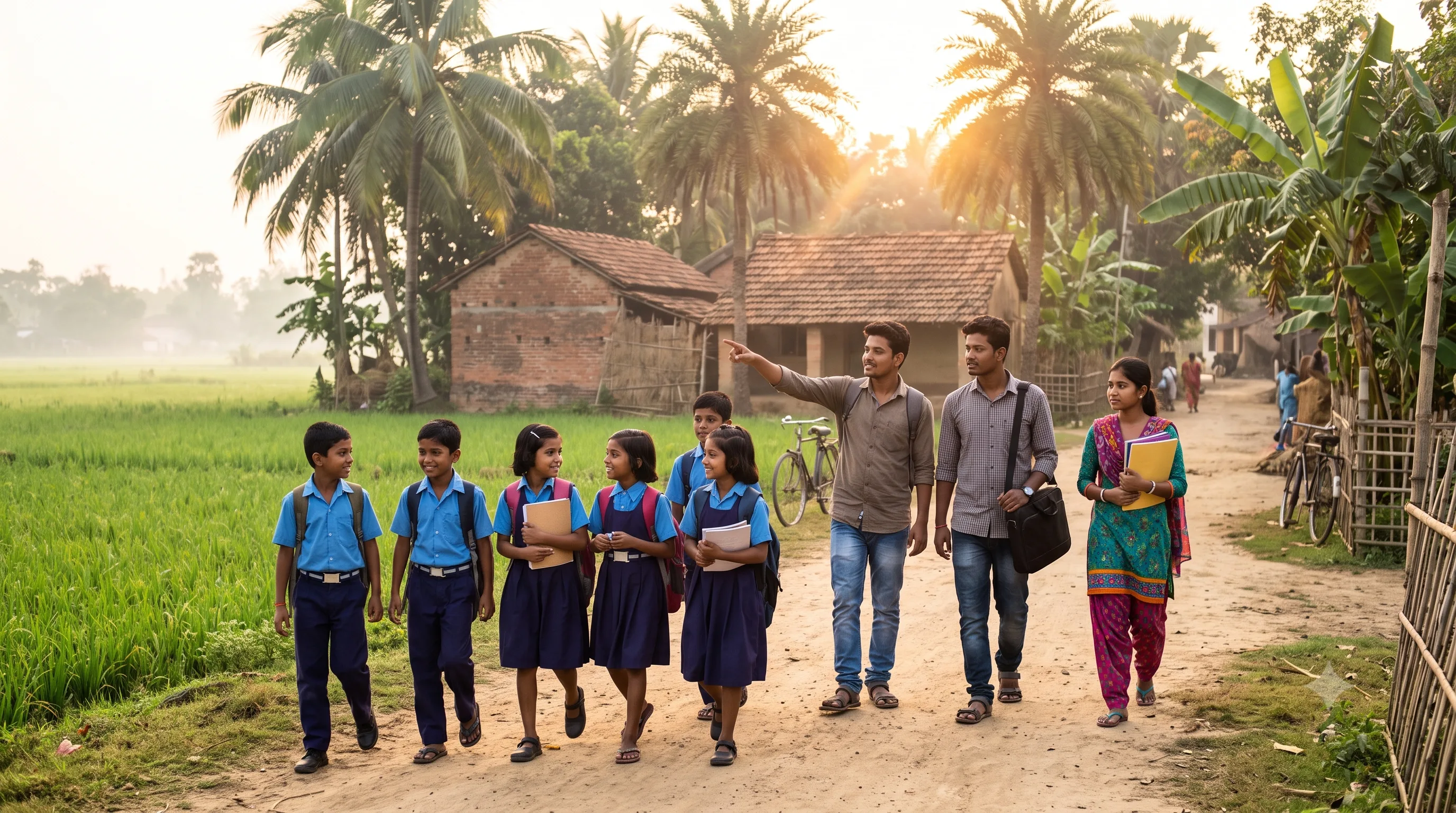
Development is not simply about changing places; it is also about expanding possibilities for the people who live in them.
When individuals can access education, develop useful skills, understand technology, and explore career opportunities, they are better positioned to make informed decisions about their futures. When communities participate in development and share knowledge, they can help create an environment that supports learning, cooperation, and long-term progress.
Gram Tarakki Foundation stands for a vision in which students and communities from both rural and urban backgrounds can explore greater opportunities through education, digital literacy, skill development, and community-oriented efforts.
This vision recognizes the importance of human potential and the value of making knowledge and opportunities more accessible, regardless of geographical location.
The journey toward sustainable development requires patience, cooperation, responsibility, and continuous learning. Every meaningful effort should be guided by genuine needs, realistic goals, and a commitment to communicating progress honestly.
A better future begins when people have the opportunity to learn, grow, and contribute. By keeping students and communities from rural and urban areas at the centre of development, we can continue working toward a more inclusive and opportunity-rich India.